Prevent Weight Regain After Sleeve Gastrectomy


Copy Link

 Medically Reviewed by Dr. Aman Priya Khanna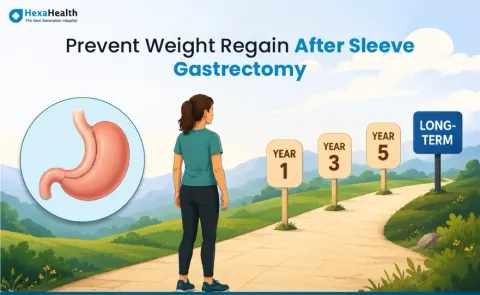
Quick Summary
- Weight regain after sleeve gastrectomy is common and often causes self-blame.
- Dr. Aman Priya Khanna explains that regain is usually a predictable biological adaptation, not a surgical failure.
- Understanding how the surgery's effects change over time helps remove personal guilt.
- The guide provides strategies to prevent and manage weight regain for better long-term health.
Weight regain after sleeve gastrectomy can be surprising and discouraging. After losing a significant amount of weight following surgery, many patients feel worried when the scale slowly begins moving upward again.
- Does it mean the surgery has stopped working?
- Did the stomach stretch?
- Did you do something wrong?
In most cases, the answer is no.
According to Dr. Aman Priya Khanna, an obesity and metabolic surgery specialist who has guided hundreds of sleeve gastrectomy patients through this journey, weight regain is not necessarily a failure. It can be a predictable biological adaptation that follows a timeline many patients do not fully understand.
“Most people do not understand why weight regain happens, so they blame themselves,” Dr. Aman explains. “It is not a weakness or failure. It is biology. And it is manageable.”
This guide explains how sleeve gastrectomy creates weight loss, why its effects change over time, and what patients can do to prevent or manage regain. Recognising biological adaptation as normal, rather than blaming yourself, can change how you approach long-term weight management.
How Sleeve Gastrectomy Creates Weight Loss
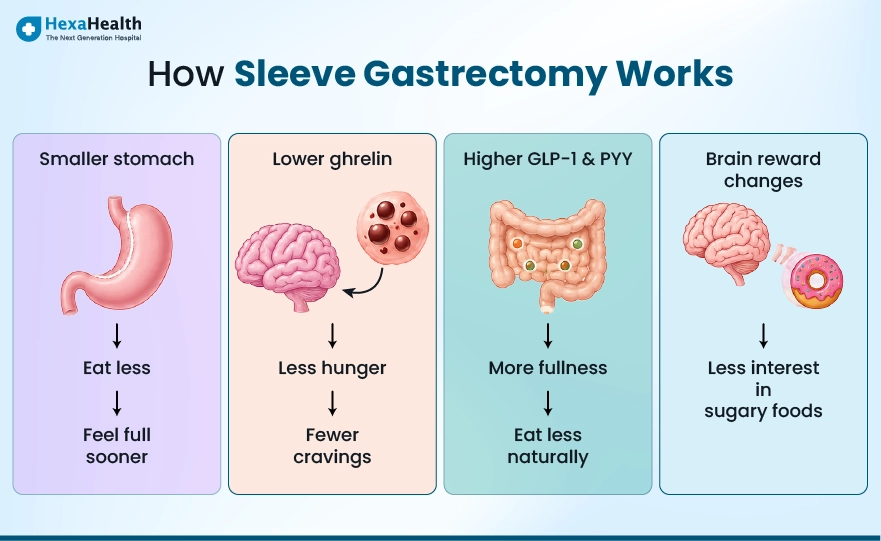
Sleeve gastrectomy promotes weight loss through more than just reducing stomach size. It combines physical restriction, hormonal changes, improved fullness signals, and changes in the brain's response to food, making it one of the most effective bariatric procedures for long-term weight management.
The Anatomy: What Changes During Surgery?
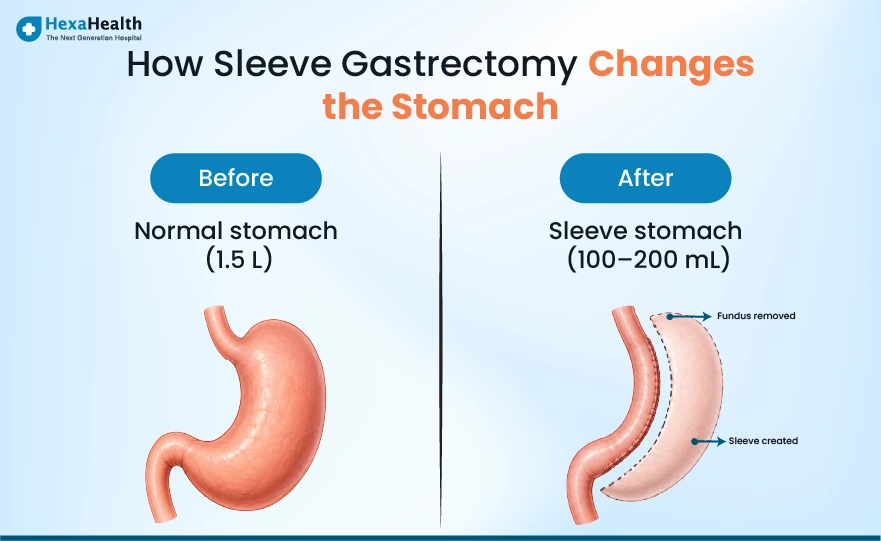
During sleeve gastrectomy, approximately 80% of the stomach is removed. The J-shaped stomach, which normally holds around 1.5 litres, is reshaped into a narrow vertical tube that may hold approximately 100–200 mL, depending on the patient and surgical technique.
It is like switching from a large coffee mug to a small shot glass.
However, weight regain after gastric sleeve cannot be understood by looking at stomach size alone. If weight loss were purely mechanical, every patient would maintain the same weight indefinitely. Instead, the procedure works through a combination of restriction, hormonal changes, improved fullness signals and changes in the brain’s response to food.
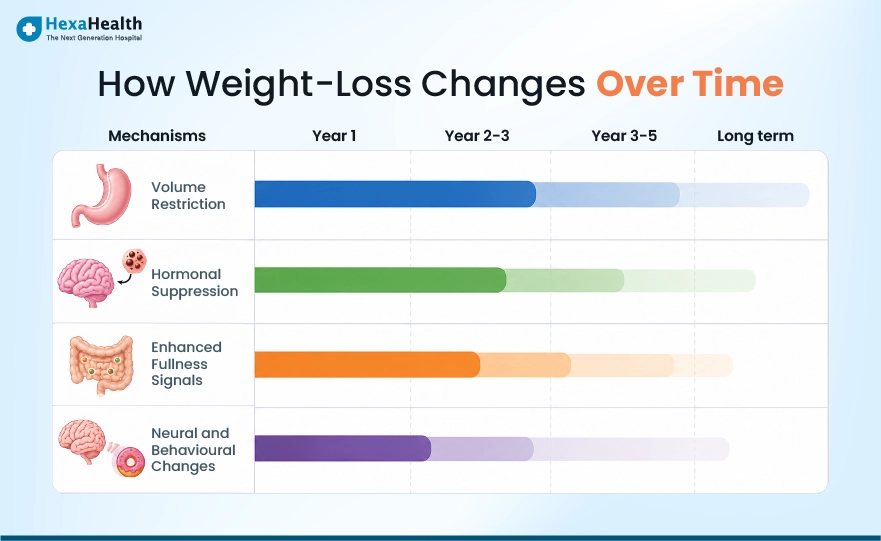
These effects are strongest during the first year. As the body gradually adapts, some of their intensity may decline.
The Four Weight-Loss Mechanisms
Weight loss after sleeve gastrectomy results from multiple mechanisms working together rather than a single effect. Understanding these mechanisms explains why the surgery is highly effective initially and why long-term success also depends on healthy lifestyle habits.
Mechanism 1: Volume Restriction
The surgery reshapes the stomach into a narrow tube, significantly reducing how much food can be eaten at one time. Patients feel full after much smaller meals, and consuming large portions becomes physically uncomfortable.
This restrictive effect generally remains for many years. However, the stomach is made of elastic tissue, and some gradual enlargement may occur over time.
The sleeve does not usually return to its original pre-surgery size. Still, repeated overeating, grazing and consuming food beyond the point of comfortable fullness may increase the stomach’s functional capacity.
This is why portion awareness remains important even when the operation continues to provide restriction.
Mechanism 2: Hormonal Suppression
The surgery removes the fundus, the portion of the stomach that produces a significant amount of ghrelin, commonly called the hunger hormone.
With less ghrelin production, hunger often drops substantially during the first year. Cravings, particularly for sugary and high-fat foods, may also become less intense.
However, the body gradually adapts. Ghrelin levels may increase over time, although they generally remain lower than they were before surgery. This hormonal adjustment is one reason gastric sleeve weight regain can begin even when the procedure itself is still physically intact.
Sleeve gastrectomy may also improve insulin sensitivity and alter bile-acid signalling, supporting better appetite and metabolic regulation.
Mechanism 3: Enhanced Fullness Signals
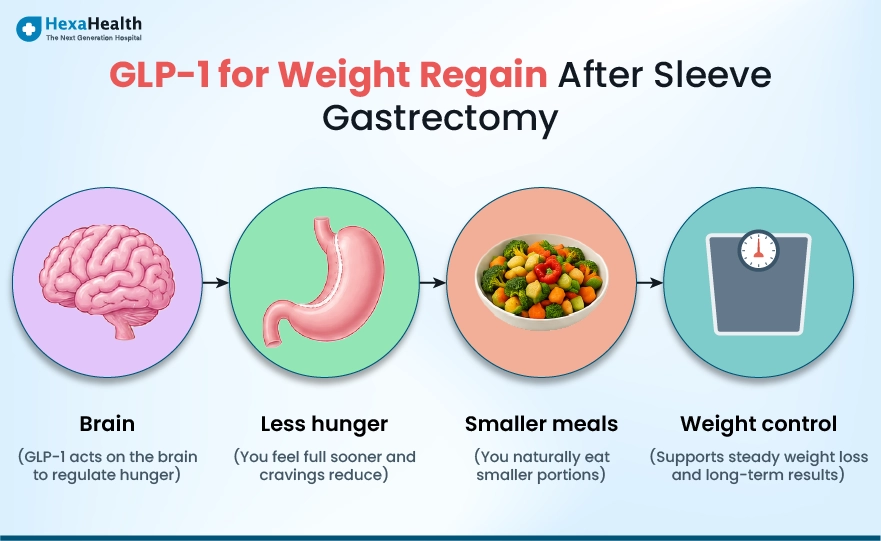
After sleeve gastrectomy, food moves more quickly into the small intestine. This produces an earlier and stronger release of fullness hormones such as GLP-1 and PYY.
This response, sometimes called the hindgut effect, helps patients feel satisfied after eating smaller amounts.
The release of GLP-1 and PYY is usually most pronounced during the early period after surgery. As the digestive system adapts, the strength of this response may gradually decrease.
However, the hormonal response often remains better than it was before surgery.
Mechanism 4: Neural and Behavioural Changes
Sleeve gastrectomy may also change how the brain responds to food through alterations in gut hormones, vagal signalling and reward pathways.
During the first year, many patients notice that highly processed, sugary or fatty foods become less appealing. Former cravings may feel easier to control, and healthier choices may require less conscious effort.
Over the following years, the brain adjusts to the new hormonal environment. Old preferences may gradually return, making structured habits increasingly important.
Understanding these mechanisms is essential when discussing how to prevent weight regain after gastric sleeve, because long-term success depends on supporting the surgery after its strongest biological effects begin to normalise.
How the Mechanisms Change Over Time
All four mechanisms reach their strongest point during the first year, producing rapid and substantial weight loss. Many patients lose approximately 60–70% of their excess weight during this period.
Between years two and five, appetite may return, food preferences can change, and weight loss generally slows. The body also burns fewer calories because it is now supporting a smaller body.
By year five and beyond, most patients reach a new biological equilibrium. Some regain may occur, but this does not automatically mean the surgery has failed. The major sleeve gastrectomy weight regain causes include hormonal rebound, metabolic adaptation, changes in eating patterns and, in some patients, anatomical changes to the sleeve. Identifying the main cause is important because the appropriate solution will differ from patient to patient.
Weight-Loss Timeline: What Patients Can Expect
Research demonstrates clear patterns in weight loss outcomes over time. According to the SLEEVEPASS trial, a major 10-year randomized study published in JAMA Surgery, sleeve gastrectomy produces durable weight loss even after a decade, although some gradual changes in outcome occur over time.
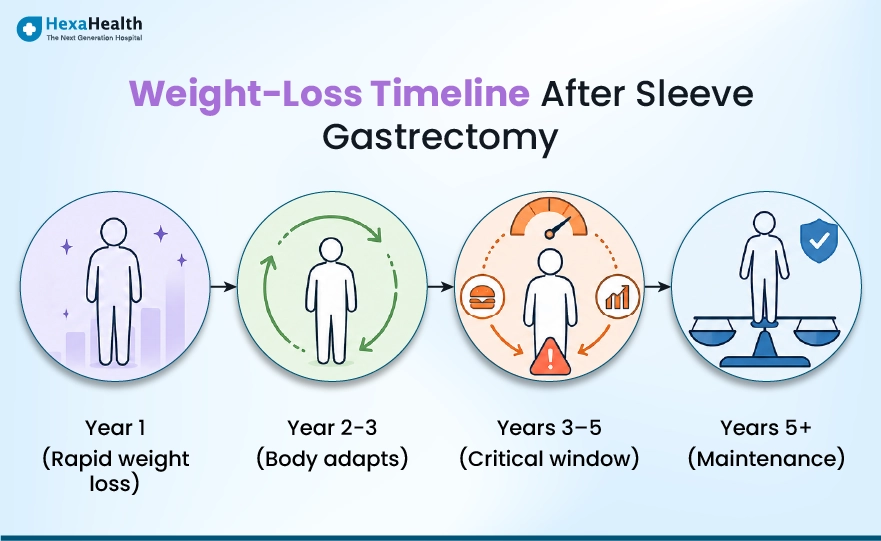
The Honeymoon Phase: Year One
The first year is usually the easiest period for weight loss. Hunger is significantly reduced, portions are naturally small, and fullness occurs quickly. Many patients lose weight without experiencing the intense hunger or cravings that affected them before surgery.
Weight loss may feel almost effortless, which can lead some people to believe the same level of appetite suppression will continue permanently.
However, year one represents the peak biological effect of the operation. It should not be considered the baseline for every future year.
This is the best time to establish structured meals, adequate protein intake, regular physical activity and long-term follow-up habits.
The Adjustment Phase: Years Two to Three
During years two and three, weight loss generally becomes slower. Appetite may gradually return, and foods that previously felt difficult to tolerate may become easier to eat.
Patients frequently ask, “Can you gain weight back after gastric sleeve even when the surgery initially produced excellent results?”
The answer is yes, some weight regain is possible. However, a small increase from the lowest weight does not necessarily mean that the operation has failed.
The body is adapting to weight loss, and the hormonal effects of surgery are becoming less intense. Early recognition of these changes allows patients to adjust their eating patterns, activity levels and follow-up strategy before regain becomes significant.
Stage | Excess Weight Loss (EWL) | Total Weight Loss (TWL) | What's Happening |
|---|---|---|---|
Year 1 | 60–70% | 28–32% | All mechanisms at peak; weight loss is rapid |
Years 2–3 | 55–70% | 24–27% | Mechanisms normalize gradually |
Years 3–5 | 40–68% (variable) | 20–24% | Critical adaptation phase |
Years 5+ | 43–55% | 19–23% | Body stabilizes at new equilibrium |
Note: Both Excess Weight Loss (EWL—weight lost above a healthy BMI) and Total Weight Loss (TWL—overall percentage of starting weight) are shown. Individual results vary based on baseline BMI, age, surgical technique, and adherence to lifestyle.
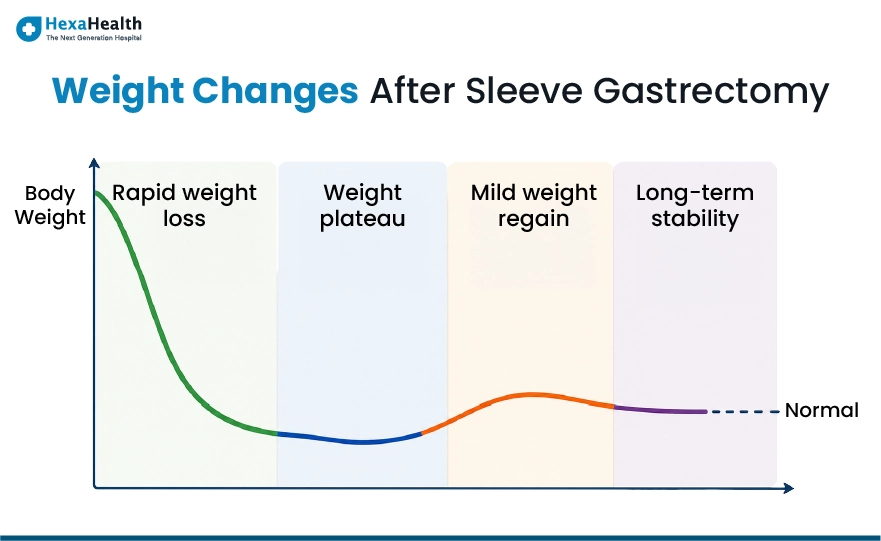
The Critical Adaptation Phase: Years Three to Five
Years three to five are particularly important. This is often the period when hunger becomes more noticeable, old food preferences return and structured habits begin to drift.
Some patients also find that they can consume larger meals than they could during the first year.
One possible concern is gastric sleeve stomach stretching, but an increase in meal capacity does not prove that severe anatomical dilation has occurred.
Mild enlargement of the sleeve can be a normal biological change. Significant dilation should be confirmed through an endoscopy or upper gastrointestinal imaging before it is considered the main cause of regain.
This phase requires early action rather than blame. A diet review, physical activity assessment and consultation with the bariatric team can often prevent further weight gain.
Stabilisation: Year Five and Beyond
For many patients, weight eventually stabilises at a new long-term level. The lowest weight achieved after surgery may not always be the weight the body maintains permanently.
Searching for information about weight regain gastric sleeve 5 years is common because year five is often viewed as an important clinical checkpoint.
At this stage, the initial “honeymoon” effects have largely settled. Hunger may feel more normal, and patients need to rely more consistently on habits rather than appetite suppression alone.
Long-term maintenance remains possible. Success should be measured through overall health improvement, sustained percentage of weight loss, metabolic control and quality of life—not only by whether a person maintains their lowest recorded weight.
Why Weight Regain Happens After Sleeve Gastrectomy
When weight regain occurs (typically between years two and five), it has a root cause. Understanding which one applies helps determine the right solution. Dr. Aman emphasizes that most regain is biological rather than behavioral, which shifts the conversation from guilt to understanding.
Cause 1: Gastric Stretching (Anatomic, Partially Preventable)
The remaining stomach is elastic tissue. Over time, some mild enlargement of the pouch is expected and normal. However, significant stretching can occur if eating patterns include frequent large meals or grazing.
Important clarification: Mild sleeve enlargement over time is expected in biology. Not every enlarged sleeve causes weight regain. Significant sleeve dilation should be confirmed through investigation (endoscopy or upper GI imaging) before attributing regain to anatomy alone.
Signs of problematic stretching:
Rapid return of hunger within 2 to 3 hours of eating
Ability to eat significantly more (250+ grams without discomfort)
Nausea threshold noticeably increased
If confirmed severe dilation: Surgical revision (conversion to gastric bypass) is an option.
Cause 2: Metabolic Adaptation (Biological, Not Preventable)
As body weight decreases, resting metabolic rate drops. A person who burned 2,200 calories at 110 kg might burn 1,850 calories at 85 kg. Same activity. Fewer calories burned. This is normal human physiology that occurs in anyone who loses weight.
Why it matters: This explains why year five weight loss feels harder than year one, even with the same eating patterns.
Solution: Resistance training preserves lean muscle, which burns more calories at rest, helping offset metabolic slowdown.
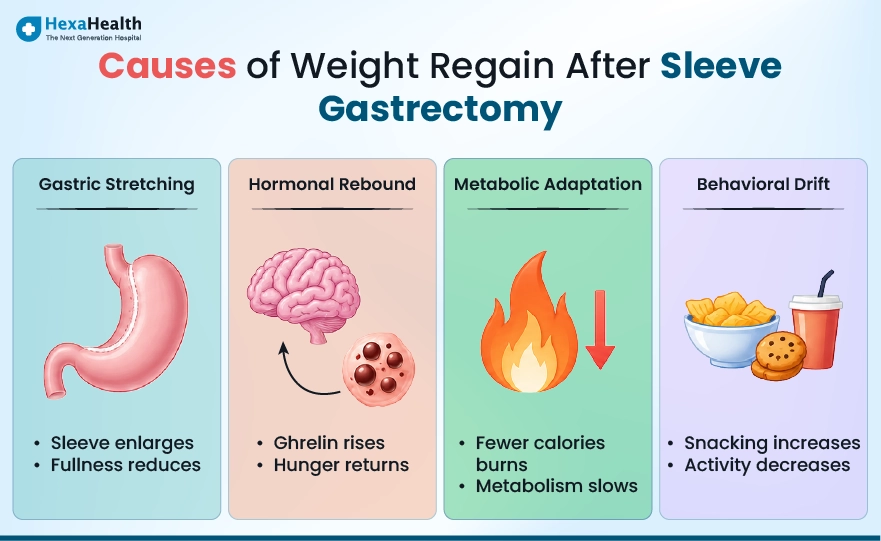
Cause 3: Hormonal Rebound (Biological, Not Preventable)
Ghrelin levels gradually rise back toward baseline over years two to five. Hunger returns. Food cravings reappear. The brain recalibrates its hunger set point. This is normal adaptation, not a sign the surgery failed.
Why it matters: This explains why appetite control feels effortless in year one but requires conscious effort by year three.
Solution: GLP-1 medications can re-boost the fading hormonal signal when this occurs.
Cause 4: Behavioral Drift (Preventable)
Dietary habits slip over time. Grazing replaces structured meals. Liquid calories (smoothies, juices, alcohol) bypass restriction. Slider foods (crackers, sweets) dissolve without triggering fullness. Physical activity declines. Tracking stops.
Why it matters: This is the ONE cause patients can directly control.
Solution: Structured meals, protein priority, regular follow-ups, and food tracking help catch behavioral drift early.
The Split: What's Your Fault vs. What Isn't
Approximately 20 to 30 percent of sleeve patients experience clinically significant weight regain. Most of this is NOT willpower failure:
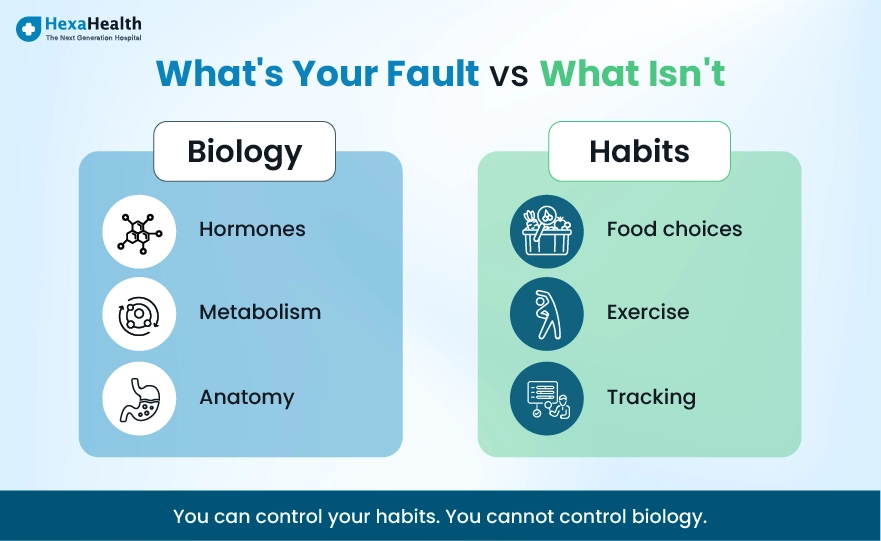
Gastric stretching: Not your fault (biology)
Metabolic adaptation: Not your fault (biology)
Hormonal rebound: Not your fault (biology)
Behavioral drift: Partially in your control
If you are regaining weight, you are experiencing normal adaptation. There are proven ways to manage it.
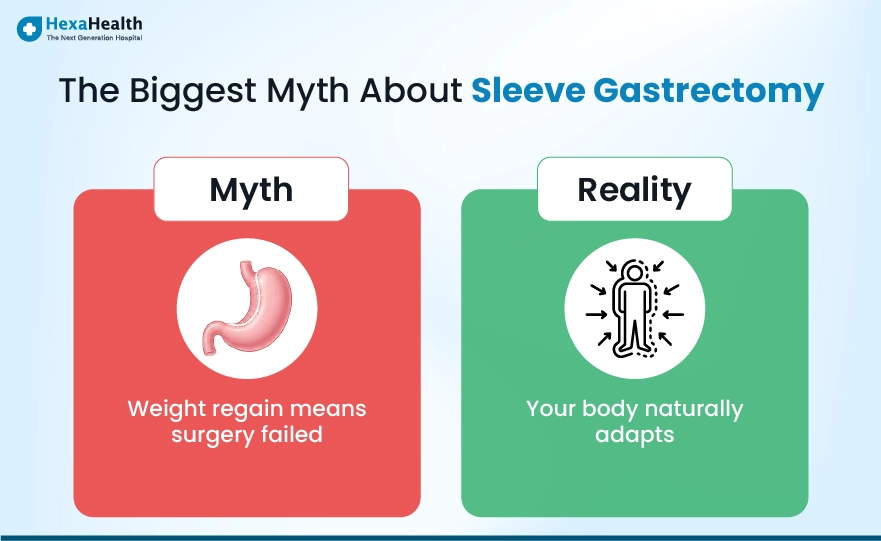
The Biggest Myth About Sleeve Gastrectomy
Myth: Weight regain means the surgery has failed.
Reality: Some biological adaptation is expected after sleeve gastrectomy. Understanding these changes early helps patients respond before small weight regain becomes a larger problem. The key is recognizing adaptation as a normal phase, not a failure, and adjusting your strategy accordingly.
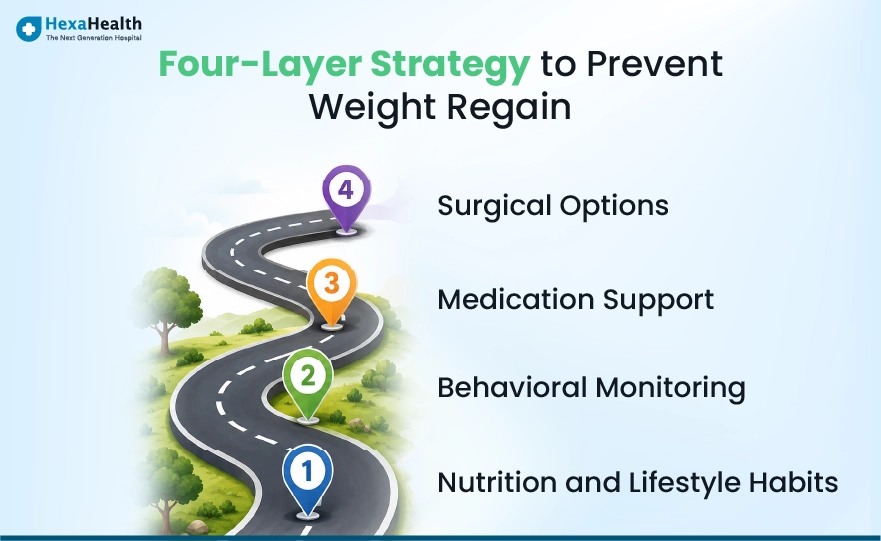
A Four-Layer Strategy for Long-Term Weight Management
Weight regain after sleeve gastrectomy can occur for several reasons, including lifestyle changes, hormonal adaptations, behavioural patterns, or anatomical factors. A structured, step-by-step approach that combines nutrition, behavioural support, medical management, and surgical evaluation can help patients regain control and achieve long-term weight management.
Layer 1: Nutrition and Lifestyle Habits
Nutrition forms the foundation of long-term weight maintenance after sleeve gastrectomy. Building healthy eating habits and making sustainable lifestyle changes can help reduce the risk of weight regain while supporting overall health.
Rule 1: Prioritise Protein at Every Meal
A sustainable gastric sleeve diet for weight regain should focus on restoring structure rather than following an extreme or temporary diet. The goal is not starvation. The aim is to prioritise foods that produce fullness, preserve muscle and reduce unplanned calorie intake.
Most patients are advised to consume approximately 60–80 grams of protein per day, although individual requirements may vary.
Protein helps:
Preserve lean muscle
Support metabolic rate
Increase fullness
Reduce hunger between meals
Improve recovery and nutritional health
Helpful protein sources include eggs, paneer, tofu, Greek yoghurt, dahi, dal, chicken, fish, legumes and beans. Eat the protein portion first, followed by vegetables and then a controlled amount of carbohydrates if there is still room.
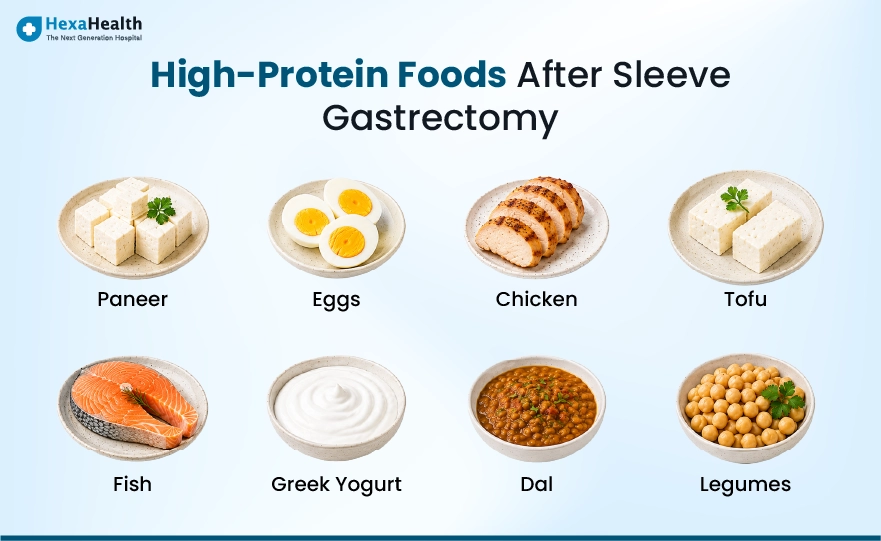
Example meal structure:
Breakfast: 2 eggs with whole grain toast, or paneer bhurji
Snack: Greek yogurt or dal with whole wheat crackers
Lunch: Grilled chicken or fish with vegetables and brown rice
Dinner: Paneer curry or dal with vegetables
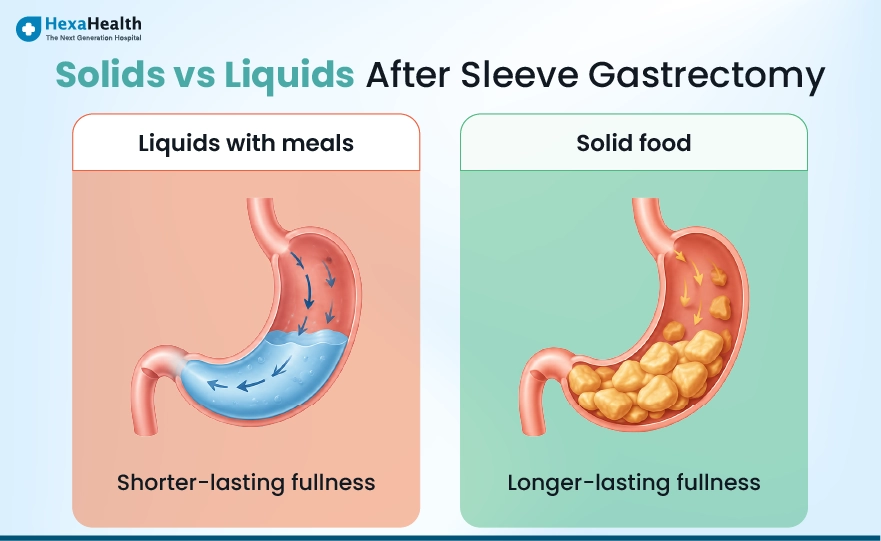
Rule 2: Separate Solids and Liquids
Avoid drinking large amounts of fluid immediately before, during or after meals. Liquids may move food through the sleeve more quickly, reducing the duration of fullness.
Many bariatric programmes recommend avoiding fluids for approximately 30 minutes before and after meals. Follow the specific guidance provided by your surgical team.
Hydration remains essential. Fluids should be consumed regularly between meals.
Rule 3: Recognise and Manage Returning Hunger
A gradual increase in ghrelin hunger after sleeve gastrectomy can make appetite control feel more difficult than it did during the first year. This does not mean a patient has lost discipline. It means that biological hunger signals are becoming stronger.
Protein-rich meals, high-fibre vegetables, consistent sleep and planned eating times can help manage this transition.
Patients with intense hunger despite following a structured plan should speak to their bariatric specialist. Hormonal medications or further evaluation may be appropriate.
Rule 4: Avoid Grazing Between Meals
Grazing means eating small amounts repeatedly throughout the day without planned meals. Because each portion is small, it may not feel like overeating. However, the total calorie intake can become high without producing strong fullness signals.
Aim for three planned meals and, when clinically recommended, one protein-focused snack. Allow time between meals so hunger and fullness patterns can become easier to recognise.
Rule 5: Monitor the Three-to-Five-Year Plateau
A gastric sleeve years 3 to 5 plateau is a common reason patients return to their bariatric team.
During this phase, weight may remain stable for a long period or begin increasing gradually.
A plateau does not always require aggressive treatment. The first step is to review the overall trajectory.
Ask:
How much weight has been regained from the lowest weight?
How quickly did the regain occur?
Has hunger increased?
Have portions become larger?
Has activity decreased?
Are liquid calories or frequent snacks present?
Are there symptoms suggesting anatomical changes?
The answers help determine whether the main issue is metabolic, hormonal, behavioural or anatomical.
Rule 6: Eliminate Slider Foods
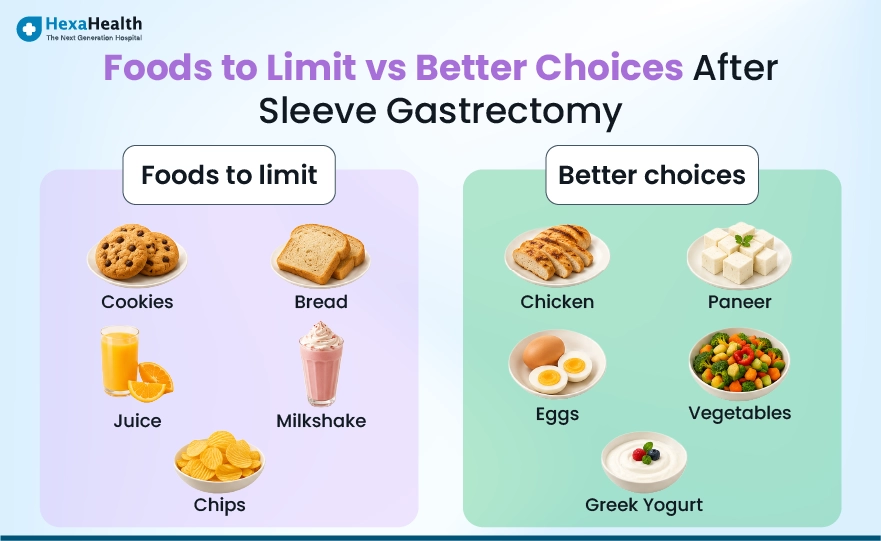
Slider foods after gastric sleeve are foods that are easy to chew, digest and consume in large amounts without producing lasting fullness.
Common examples include:
Crackers and chips
Biscuits and cookies
Chocolates and sweets
Namkeen
Ice cream
Sweetened yoghurt
Milkshakes and smoothies
Sugary tea or coffee
Soft bread
Nut butters eaten in large amounts
These foods can pass through the sleeve easily and allow a high calorie intake without the discomfort that would occur after eating solid protein.
Replace them with eggs, paneer, chicken, fish, tofu, dal, Greek yoghurt, vegetables, whole fruit and portion-controlled nuts.
Rule 7: Prioritise Sleep and Recovery
Poor sleep can increase hunger, cravings and fatigue. It may also make exercise and meal planning more difficult.
Aim for seven to nine hours of consistent sleep when possible.
People experiencing snoring, daytime sleepiness or possible sleep apnoea should seek medical assessment, particularly if symptoms return after weight regain.
Rule 8: Limit Alcohol Intake
Alcohol contains calories that do not produce meaningful fullness. It may also lower inhibition and lead to unplanned eating.
Tolerance to alcohol can change after bariatric surgery, and intoxication may occur more quickly.
Patients who consume alcohol should discuss safe limits with their bariatric team and avoid sugary mixers.
Rule 9: Avoid Unsupervised Pouch-Reset Diets
The term gastric sleeve pouch reset is commonly used online for short liquid or highly restrictive diets that claim to shrink the stomach again.
However, a temporary diet does not permanently reduce an enlarged sleeve.
A short structured plan may help some patients reconnect with portion sizes or reduce highly processed foods, but it should not be presented as a way to anatomically restore the stomach.
Severe restriction can also increase the risk of inadequate protein, dehydration and nutrient deficiencies.
Instead of trying to “reset” the sleeve, patients should complete a proper assessment, rebuild structured meals and address the actual cause of regain.
Layer 2: Behavioural Monitoring
Long-term success depends not only on what you eat but also on the habits you build over time. Regular self-monitoring and consistent follow-up can help identify early warning signs of weight regain and keep you on track.
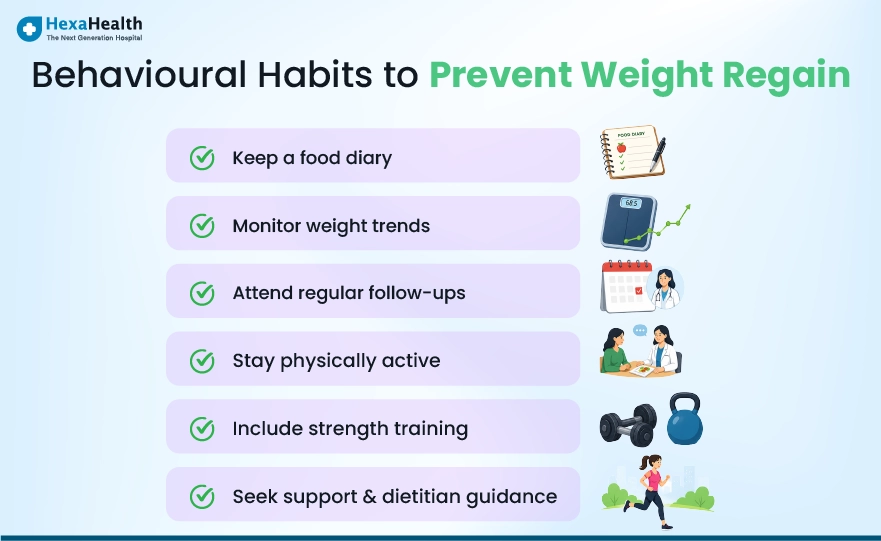
Track Food Intake
A food journal can help identify patterns that may otherwise be missed.
Track:
Meal timing
Protein intake
Fluids
Snacks
Alcohol
Sugary drinks
Portion sizes
Hunger before meals
Fullness after meals
Tracking does not need to continue forever. Even one or two weeks of accurate recording can provide valuable information.
Understand the Numbers
The bariatric surgery weight regain percentage varies depending on how researchers define regain, the follow-up period, the procedure performed and the characteristics of the patients studied.
Some studies define regain as a percentage increase from the lowest weight, while others use loss of excess weight, changes in BMI or return of obesity-related conditions.
Because the definitions differ, patients should avoid comparing themselves to a single online statistic.
A clinically meaningful concern is often a rapid increase or a regain of approximately 10% or more from the lowest postoperative weight. However, treatment decisions should be individualised.
Stay Connected With Your Bariatric Team
Long-term follow-up is essential, even when weight is stable.
Years one: 4 to 6 visits (surgery follow-up)
Years two to five: Annual visits (critical—most clinics under-monitor here)
Years five and beyond: Annual visits to track long-term trajectory
At each visit, ask:
Is my weight trajectory normal?
Should I have an endoscopy to check for dilation? (Only if rapid regain or anatomic concerns—not routine screening)
Are my micronutrient levels adequate?
Do I need to adjust my strategy?
Important: Track your weight trajectory over time, not single measurements. Year-to-year trends are more informative than a single BMI or weight number.
Exercise and Resistance Training
Aim for at least 150 minutes of moderate physical activity each week, depending on your health and physical ability. Include resistance training approximately two to three times per week.
Strength training helps preserve muscle, supports bone health and reduces the decline in metabolic rate associated with weight loss and ageing.
Walking, swimming, cycling, bodyweight exercises and home-based strength routines can all be effective.
Connect with Others and Build Accountability
Ongoing support helps prevent isolation during challenging phases. Options include:
Online bariatric communities or WhatsApp groups
Family involvement in meal planning and lifestyle changes
Workplace wellness programs or fitness groups
Therapist or counselor specializing in eating behaviors (if accessible)
Regular check-ins with your dietitian or surgeon
Why it helps: You are not alone. Connecting with others who have undergone surgery and understanding that appetite return at years three to five is normal prevents shame-driven isolation and helps you adjust your strategy early.
Regular Dietitian Reviews
If weight is creeping up despite following guidelines, a bariatric dietitian reviews your actual eating patterns, identifies barriers, and creates a personalized plan. Dietitian support is especially valuable at the transition phases (year 2-3 and year 5) when strategy adjustments are most needed.
Layer 3: Medication Support
Lifestyle changes remain the first line of treatment, but some patients may require additional medical support. After a thorough evaluation, medications can be considered to help control appetite and improve long-term weight management.
GLP-1 Receptor Agonists
When to consider: If weight regain is 10 percent or more from your lowest weight, or if excess weight loss drops below 50 percent, discuss with your surgeon whether GLP-1 therapy may be appropriate.
Some patients may benefit from GLP-1 medications after evaluation by a bariatric surgeon or obesity specialist.
Medications:
Semaglutide (Ozempic, Wegovy): Weekly injection. Produces approximately 11 percent additional weight loss in post-sleeve patients.
Tirzepatide (Zepbound, Mounjaro): Dual GLP-1 and GIP agonist. Produces approximately 13.6 percent additional weight loss.
How it works: Re-boosts fading GLP-1 and ghrelin suppression signals.
Disclaimer: **Brand names listed for reference only. Medication choice should be made in consultation with your bariatric surgeon based on your medical needs and local availability
Important: Start at lower doses in sleeve patients (smaller reservoir, reflux risk). Reassess at 6 to 12 months.
Layer 4: Surgical Options
Surgical treatment should be considered only after the cause of regain has been investigated. An endoscopy or imaging study may be recommended if there is:
Rapid regain
Significant increase in portion capacity
Persistent vomiting
Severe reflux
Difficulty swallowing
Suspected sleeve dilation
Concern about incomplete fundus removal
If anatomy is normal, another operation may not provide the expected benefit. Treatment may instead focus on medication, nutrition, physical activity and behavioural support.
What to Do When Weight Starts Increasing
Many patients feel ashamed when they notice they are putting on weight after gastric sleeve, which can cause them to avoid follow-up appointments.
However, early support produces better outcomes. Start by looking at the pattern rather than reacting to one reading on the scale.
Review:
The amount of regain
The speed of regain
Changes in appetite
Portion sizes
Grazing
Liquid calories
Sleep
Physical activity
Medication changes
Stress and emotional eating
Reflux or vomiting
Nutritional deficiencies
A small increase after reaching the lowest weight may represent normal stabilisation. Rapid or continuing gain requires a more detailed assessment.
Recognition Checklist
Signs that regain is beginning:
Weight gain of 10 percent or more from your lowest weight in less than six months
Rapid return of hunger (within 2 to 3 hours of eating)
Ability to eat significantly more without discomfort
Return of food cravings (sweets, fried foods)
Nausea threshold increases
Staged Recovery Approach
According to Dr. Aman, if regain has occurred:
Step 1: Investigate the Root Cause
Endoscopy to rule out sleeve dilation (especially if rapid regain)
Micronutrient testing
Behavioral assessment (grazing patterns, slider foods, activity level)
Step 2: Address the Cause
If anatomic: Consider surgical revision after careful evaluation
If hormonal: Initiate GLP-1 therapy
If behavioral: Intensive dietary counseling and accountability support
Step 3: Monitor and Adjust
Reassess at 6 to 12 weeks
Continue what is working
Adjust or add interventions if needed
Most regain is manageable if caught early (years three to five), not years eight to ten.
When to Contact Your Surgeon
Call immediately if you experience:
Rapid weight gain (10 percent or more in less than six months)
Persistent nausea or vomiting
Severe acid reflux not controlled by medication
Difficulty meeting protein goals
Signs of nutritional deficiency (fatigue, hair loss, brittle nails, numbness or tingling)
Inability to exercise due to pain or breathing difficulty
Persistent thoughts of self-harm or disordered eating patterns
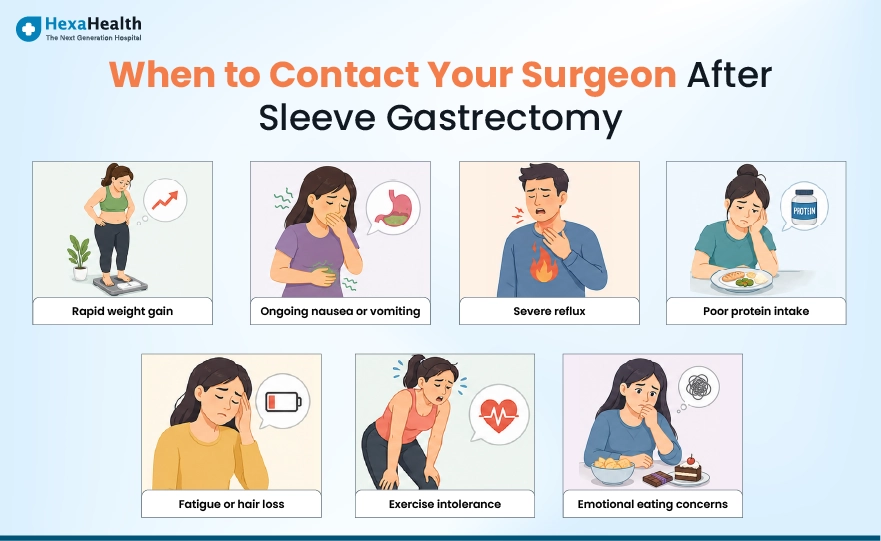
Early intervention prevents problems from compounding.
Long-Term Success After Sleeve Gastrectomy
The most useful gastric sleeve long term success tips are based on consistency rather than perfection.
Year One: Build the Foundation
Attend all scheduled follow-ups
Learn appropriate portion sizes
Meet protein requirements
Separate food and fluids
Begin resistance training
Establish regular meals
Complete recommended blood tests
Take supplements as advised
Years Two to Three: Watch for Drift
Monitor weight trends monthly
Review portion sizes
Limit grazing
Reassess protein intake
Maintain annual bariatric follow-up
Address returning hunger early
Continue micronutrient monitoring
Years Three to Five: Intervene Early
Do not ignore gradual regain
Schedule a dietitian review
Discuss medication when appropriate
Investigate rapid portion changes
Reassess physical activity
Complete an endoscopy if anatomical concerns are present
Seek mental health support for emotional eating or disordered patterns
Year Five and Beyond: Maintain Support
Continue annual follow-ups
Monitor protein and micronutrients
Maintain resistance training
Stay connected with support groups
Review medications regularly
Seek help when hunger or weight changes rather than waiting several years
Lifelong Micronutrient Monitoring
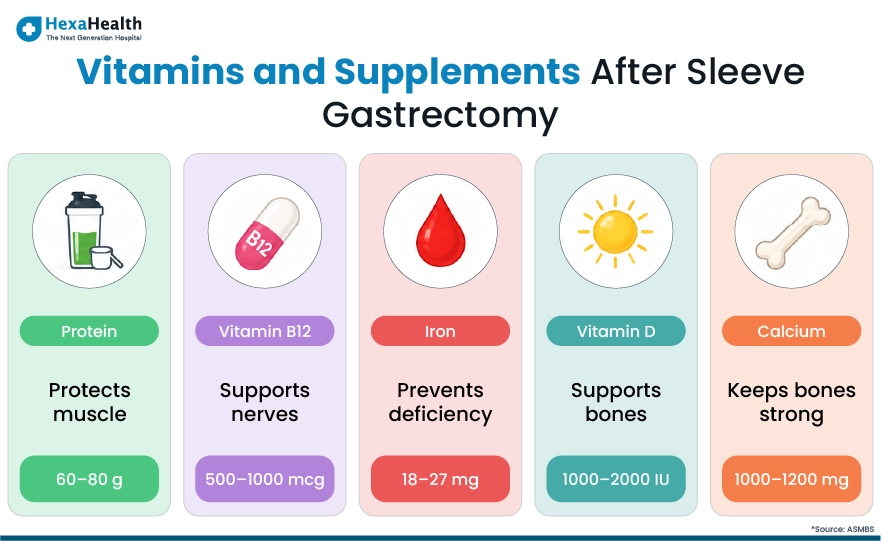
Lifelong supplementation and monitoring are non-negotiable. Annual blood work is essential.
Nutrient | Why It's Needed | Recommended Intake | Monitoring Frequency |
|---|---|---|---|
Protein | Preserves muscle mass, supports metabolism | 60–80g daily from food + protein powder if needed | Monthly tracking; annual assessment |
Vitamin B12 | Absorption decreases after surgery; prevents neurological issues | 500–1000 mcg daily (sublingual or nasal) OR monthly injections | Annually (blood test) |
Iron | Risk of deficiency, especially women of childbearing age | 18–27mg daily (ferrous form better absorbed) | Annually (blood test) |
Vitamin D | Poor absorption; critical for bone health and immunity | 1000–2000 IU daily; higher if deficient | Annually (blood test) |
Calcium | Poor absorption after surgery; bone health | 1000–1200mg daily (taken separately from iron) | Annually (blood test) |
Top Bariatric Surgeons for Sleeve Gastrectomy
Choosing the right doctor is one of the most important decisions when planning your treatment. To help you make an informed choice, we've compiled a list of experienced bariatric surgeons along with their years of experience and patient recommendation scores.
| Doctor Name | Years of Experience | Recommendation |
|---|---|---|
| Dr Aman Priya Khanna | 14 years | 98% |
| Dr Tapas Mishra | 29 years | 97% |
| Dr Mohammed Nooruddin | 12 years | 99% |
| Dr Mutha Raju K R | 24 years | 98% |
| Dr Prem Kumar A | 25 years | 97% |
| Dr Snehal Vasantrao Kawale | 14 years | 99% |
| Dr Santosh Kishor Naik | 20 years | 99% |
| Dr Pushkar Dileep Galam | 16 years | 97% |
| Dr Parmeshwar Babulal Bambrule | 14 years | 96% |
Disclaimer: Connect with a HexaHealth expert for personalised doctor and hospital recommendations.
Best Hospitals for Sleeve Gastrectomy in India
Choosing the right hospital is a crucial step in ensuring a safe and successful sleeve gastrectomy procedure. India is home to several accredited hospitals equipped with advanced laparoscopic technology, experienced bariatric surgeons, and dedicated post-operative care teams.
Below is a list of some top-rated hospitals across the country known for their expertise in weight loss surgery, along with their location and patient ratings, to help you make an informed decision.
| Hospital Name | Address | Ratings |
|---|---|---|
| Dharamshila Narayana Superspeciality Hospital | Vasundhara Enclave, Delhi | 4.9 |
| Vivekananda Multispeciality Hospital | Begumpet, Hyderabad | 4.8 |
| Aakash Healthcare Super Speciality Hospital | Dwarka, Delhi | 4.9 |
| Artemis Hospital | Sector 51,Gurgaon | 4.9 |
| Ramkrishna CARE Hospitals | Raipur | 4 |
| Manipal Hospital | Old Airport Road, Kodihalli Bengaluru | 4.5 |
| Paras Hospital | Sector 43, Gurgaon | 4.8 |
| Surya Hospital | Chembur, Mumbai | 5 |
| Apex Super Speciality Hospital | Borivali West, Lokmanya Tilak Rd, Mumbai | 4.3 |
| ONP Prime Hospital | Shivajinagar, Pune | 4.9 |
| CARE CHL Hospital | Indore | 4.7 |
| CARE Hospital | Bhubneswar | 4.3 |
| NH Rabindranath Tagore International Institute of Cardiac Sciences | Mukundapur, Kolkata | 4.9 |
Disclaimer: Doctor recommendations, hospital availability, and ratings may change over time. For personalised guidance and to find the right specialist or hospital for your condition, connect with a HexaHealth expert or visit the HexaHealth website.
Sleeve Gastrectomy Cost in India
The cost of the procedure varies across cities and hospitals depending on factors such as the surgeon's experience, hospital infrastructure, room category chosen, city of treatment, and the patient's overall health condition. On average, sleeve gastrectomy in India costs between ₹3,00,000 and ₹3,50,000.
| Sleeve Gastrectomy | Estimated Cost (₹) |
|---|---|
| Minimum Cost | 3,00,000 |
| Average Cost | 3,20,000 |
| Maximum Cost | 3,50,000 |
Factors Affecting Sleeve Gastrectomy Cost
The cost of sleeve gastrectomy in India can vary from one patient to another. Several factors, such as the hospital, surgeon's expertise, medical condition, and post-surgical care, influence the overall treatment cost. Understanding these factors can help you plan your treatment and budget more effectively.
Hospital and Location: Costs vary depending on the hospital's reputation, facilities, and the city where the surgery is performed.
Surgeon's Expertise: Highly experienced bariatric surgeons may charge higher fees for their specialised skills.
Medical Condition: Existing health conditions or obesity-related complications may require additional tests, medications, or specialised care.
Room Category: Choosing a private or deluxe room can increase the overall hospitalisation cost.
Pre-operative Tests: Blood tests, imaging, ECG, and specialist consultations contribute to the total treatment expense.
Surgical Equipment: The quality and type of laparoscopic instruments and surgical staplers used may affect the procedure cost.
Hospital Stay: A longer hospital stay due to recovery needs or complications can increase the final bill.
Post-operative Care: Follow-up visits, medications, nutritional counselling, and dietary supplements add to the overall cost.
Insurance Coverage: Your final out-of-pocket expense depends on your insurance policy and the extent of coverage provided.
Conclusion
Weight regain after sleeve gastrectomy is not simply a matter of willpower. The body adapts through hormonal changes, metabolic slowdown, changing hunger signals and, in some patients, alterations in sleeve anatomy.
The strongest surgical effects occur during the first year. As these effects gradually settle, structured nutrition, protein intake, resistance training, sleep, follow-up care and behavioural monitoring become increasingly important.
When regain occurs, the solution is not shame or an extreme diet. The correct approach is to identify the cause and match it with the appropriate treatment.
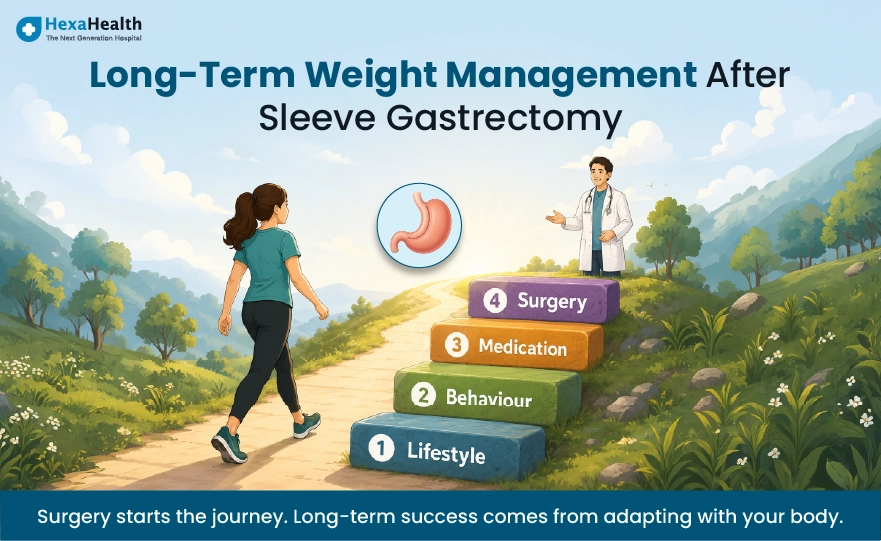
Lifestyle support, dietitian care, anti-obesity medication and revision surgery are not competing approaches. They are different tools that may be used individually or together.
Early intervention is especially valuable during years three to five. Patients who remain connected with their bariatric team, monitor their health and respond to changes early are more likely to maintain meaningful weight loss and long-term metabolic benefits.
Weight regain is manageable. It is a signal to reassess the strategy—not proof that you or your surgery have failed.
Ready to Learn More?
HexaHealth connects patients with experienced bariatric surgeons who specialize in sleeve gastrectomy and long-term weight management.
Frequently Asked Questions
Is some regain normal after sleeve gastrectomy?
A small amount of regain from the lowest postoperative weight may occur as the body reaches a sustainable long-term equilibrium. Rapid, substantial or continuing regain should be evaluated.
 WhatsApp
Does weight regain mean the surgery failed?
No. Biological adaptation, hormonal changes, reduced metabolic rate, dietary drift and anatomical factors can all contribute. Most patients require a long-term management strategy rather than relying only on the initial operation.
When should medication be considered?
Medication may be discussed when regain is clinically significant, hunger has substantially returned or structured lifestyle changes are not producing adequate result.
When is revision surgery considered?
Most patients experiencing regain do not automatically need another operation. A full evaluation should first examine dietary patterns, hormonal appetite, physical activity, mental health factors, medication use and sleeve anatomy.
Gastric sleeve revision surgery may be considered when investigations confirm severe sleeve dilation, incomplete removal of the fundus, significant reflux, anatomical complications or substantial regain that has not responded to non-surgical treatment.
Possible revision procedures include conversion to a gastric bypass or, in selected patients, a duodenal switch. Revision surgery has additional risks and does not remove the need for long-term nutrition, exercise and medical follow-up. It should be considered only after careful discussion with an experienced bariatric team.
Can you gain weight back after gastric sleeve?
Yes, some weight regain is possible even when the surgery initially produced excellent results. A small increase from your lowest weight doesn't necessarily mean the operation has failed. It often reflects the body adapting as hormonal effects gradually become less intense over time.
Why am I gaining weight 2 years after gastric sleeve?
Around year two, appetite may begin to return as ghrelin levels gradually rise back toward baseline, and the strong fullness signals from GLP-1 and PYY that were most pronounced right after surgery start to normalize.
At the same time, resting metabolic rate drops because your body is now smaller and burns fewer calories for the same activity, making weight loss feel harder even if your eating habits haven't changed.
How common is weight regain after gastric sleeve?
Approximately 20 to 30 percent of sleeve patients experience clinically significant weight regain. Most of this isn't a willpower failure.
A large portion is driven by biological factors like gastric stretching, metabolic adaptation, and hormonal rebound, with only behavioral drift being fully within the patient's control.
Can your stomach stretch again after sleeve surgery?
Mild enlargement of the sleeve over time is expected and considered normal biology, since the remaining stomach is made of elastic tissue. However, the sleeve does not usually return completely to its original pre-surgery size.
Significant dilation should be confirmed through an endoscopy or upper GI imaging before it's blamed for weight regain.
What percentage of gastric sleeve patients regain weight?
About 20 to 30 percent of patients experience regain that's considered clinically significant. That said, the exact percentage reported varies across studies depending on how researchers define "regain".
Some measure it as a percentage increase from lowest weight, while others use excess weight loss, BMI change, or return of obesity-related conditions, so it's best not to compare yourself to a single statistic found online.
How do I know if my gastric sleeve failed?
Weight regain alone does not mean the surgery has failed. Some signs may indicate a more significant problem. These include rapid weight gain of 10% or more. This is measured from your lowest weight within six months.
Hunger returning within 2 to 3 hours after eating is another warning sign. Eating noticeably larger portions (250+ grams) without discomfort is also concerning. Persistent nausea, vomiting, or severe reflux should not be ignored.
If you notice these changes, contact your bariatric surgeon. They can investigate the actual cause. The cause may be anatomical, hormonal, or behavioural. Do not assume the surgery has failed without a proper evaluation.
What is a gastric sleeve reset diet?
A "gastric sleeve pouch reset" typically refers to a short-term liquid or highly restrictive diet that claims to shrink the stomach back down. However, a temporary diet does not permanently reduce an enlarged sleeve, and severe restriction can actually increase the risk of inadequate protein intake, dehydration, and nutrient deficiencies.
Instead of attempting an unsupervised reset, patients should get a proper assessment from their bariatric team to rebuild structured meals and address the real underlying cause of regain.
Can GLP-1 medications help with weight regain after bariatric surgery?
Yes. Credible evidence suggests GLP-1 medications can help with weight regain after bariatric surgery, especially as an add-on to diet and lifestyle treatment. A 2024 systematic review and meta-analysis concluded that GLP-1 receptor agonists were safe and effective for weight regain or insufficient weight loss after metabolic bariatric surgery.
In one observational study, patients lost about 67% of the regained weight after 6 months of GLP-1 therapy, with no serious adverse events reported.
A 2025 review also noted growing evidence that GLP-1 receptor agonists produce significant weight loss after bariatric surgery. These medicines should still be prescribed and monitored by a clinician because side effects such as nausea, constipation, abdominal pain, and vomiting can occur.
References
All the articles on HexaHealth are supported by verified medically-recognized sources such as; peer-reviewed academic research papers, research institutions, and medical journals. Our medical reviewers also check references of the articles to prioritize accuracy and relevance. Refer to our detailed editorial policy for more information.
- Salminen P, Grönroos S, Helmiö M, Hurme S, Juuti A, Juusela R, et al. Effect of laparoscopic sleeve gastrectomy vs Roux-en-Y gastric bypass on weight loss, comorbidities, and reflux at 10 years in adult patients with obesity: the SLEEVEPASS randomized clinical trial. JAMA Surg. 2022;157(8):656-66.

- Osorio Manyari AA, Armas Alvarez AL, Osorio Manyari JD, Onieva Gonzalez F, Pouwels S. Effects of semaglutide and tirzepatide on recurrent weight gain after bariatric surgery: a systematic review and meta-analysis. Obes Surg. 2025;35:5596-605.
- Kim M, Schweitzer MA, Kim JS, Alexander GC, Mehta HB. Use of glucagon-like peptide-1 agonists among individuals undergoing bariatric surgery in the US. JAMA Surg. 2025 Aug 27. Epub ahead of print.
- Yousaf MS, Khan N, Fareed G, Kashif Khan AM, Aziz S, Karim MM. Short-term outcomes of laparoscopic sleeve gastrectomy for weight loss and gastroesophageal reflux disease. Cureus. 2025;17(1):e76943.
- Jamal M, Alhashemi M, Dsouza C, Al-Halabi Y, Alkhalifa A. Semaglutide and tirzepatide for the management of weight recurrence after sleeve gastrectomy: a retrospective cohort study. Obes Surg. 2024;34(4):1324-32
- Saarinen I, Strandberg M, Hurme S, Helmiö M, Grönroos S, Juuti A, et al. Nutritional deficiencies after sleeve gastrectomy and Roux-en-Y gastric bypass at 10 years: secondary analysis of the SLEEVEPASS randomized clinical trial. Br J Surg. 2025.
- Akpinar EO, Liem RSL, Nienhuijs SW, et al; Dutch Audit for Treatment of Obesity Research Group. Weight recurrence after sleeve gastrectomy versus Roux-en-Y gastric bypass: a propensity score matched nationwide analysis. Surg Endosc. 2023;37:4351-9
- Csendes A, Orellana O, Martínez G, et al. Pathophysiological mechanisms of gastro-esophageal reflux after sleeve gastrectomy. Ann Surg. 2022;276:e407-16.
- Barrett TS, et al. Obesity treatment with bariatric surgery vs GLP-1 receptor agonists: weight loss, cost, and health care utilization. JAMA Surg. 2025;160(11):1232-9.
Last Updated on: 5 August 2026
Reviewer

Dr. Aman Priya Khanna
MBBS, DNB General Surgery, FMAS, FALS Bariatric, MNAMS General Surgery, FIAGES
14 Years Experience
Dr Aman Priya Khanna is a leading National Board-certified Laparoscopic, GI, and Bariatric Surgeon in Ahmedabad with 14+ years of experience and over 4,500+ successf...View More
Author

Dr Sania Datta
BDS (Panjab University) I MBA Hospital & Health Management (IIHMR Jaipur)
8 Years Experience
She is a high-impact healthcare management and medical content professional with enriching work experience in Parexel, HexaHealth Technologies, Apollo Munich, Credihealth and Fortis Hospital. Armed with deep and c...View More
Expert Doctors (10)



Vascular and Interventional Radiology,Cardiot...

31+ Years
Experience

96%
Recommended

General Surgery,Laparoscopic Surgery,Proctolo...
28+ Years
Experience
99%
Recommended


General Surgery,Proctology,Laparoscopic Surge...
17+ Years
Experience
99%
Recommended


General Surgery,Laparoscopic Surgery,Proctolo...
14+ Years
Experience
99%
Recommended


General Surgery,Laparoscopic Surgery,Proctolo...
13+ Years
Experience
97%
Recommended

General Surgery,Laparoscopic Surgery,Proctolo...
12+ Years
Experience
99%
Recommended
NABH Accredited Hospitals (5)



 4.91/5
 Plot No. 140, Near Mother Dairy



Latest Health Articles


Related Treatments