Chat with Urologist
best dj stent removal at best prices in Mumbai
best dj stent removal at best prices in Mumbai
 Painless Procedure
Advanced Technology
Affordable Pricing
Free Pick Up and Drop
98%
Procedure Success Rate
100+
Top Urologists
2000+
Stent-free Patients


Frequently Asked Questions
What is Double-J (DJ) Stent?
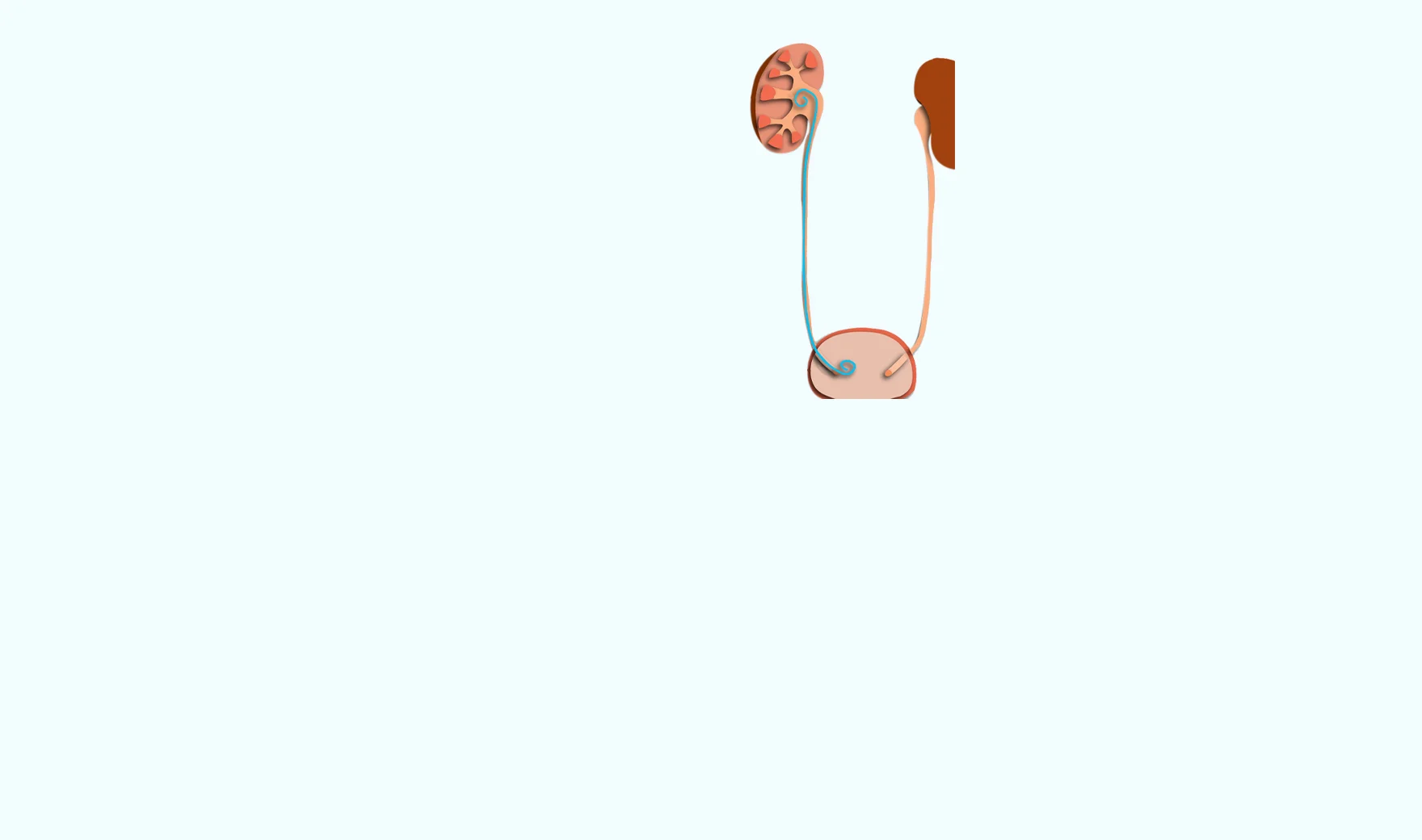
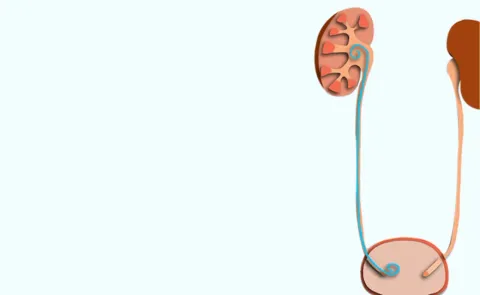
A Double-J (DJ) stent, also known as Ureteric Stent, is a medical device placed inside the ureter, the tube that connects the kidneys to the bladder. The stent is designed to help urine flow from the kidney to the bladder when there is a blockage or obstruction in the ureter.
 Chat with Urologist
How Double-J (DJ) Stent works?
The Double-J (DJ) stent works by keeping the ureter open and allowing urine to flow freely from the kidney to the bladder. This can be particularly helpful in cases where a stone is blocking the ureter or narrowing the ureter due to scarring or other damage.
DJ stents are typically placed during a procedure called ureteroscopy, where a small telescope is inserted into the ureter to view the area of obstruction. The stent is passed through the scope and placed inside the ureter. The stent is usually left in place for several days to weeks, depending on the underlying condition being treated.
Is DJ Stent permanent?
DJ stents are not intended to be permanent devices and may need removal after a certain period. The need for DJ stent removal may arise due to various reasons, including:
- Completion of healing: The stent is usually inserted to help heal the ureter after surgery or injury. Once the healing process is complete, the stent may need removal.
- Infection: DJ stents can increase the risk of urinary tract infections, and if an infection occurs, the stent may need to be removed to prevent the disease from spreading.
- Stent-related symptoms: DJ stents can cause discomfort, pain, and other symptoms such as urinary frequency, urgency, and incontinence. If these symptoms become severe or persistent, the stent may need removal.
- Stent-related complications: Complications such as stent migration, stent fragmentation, or encrustation etc.
Is it good to get DJ stent removed timely?
Yes, getting the device removed timely is advised as delayed removal can result in more complications like encrustation. Usually, within six weeks to 6 months, the stent is removed.
Does a patient need anesthesia for DJ stent removal surgery?
Yes, a local anesthetic is used to numb the body part with the bladder passage.
Is DJ stent removal painful?
The procedure is mostly not painful but even if there’s pain, then it’s bearable. Furthermore, a patient may experience a little discomfort which is manageable.


Treatment Cost Depends On

Type of
Procedure

Severity of
the Disease

Past Medical
Condition

Contact
for exact cost